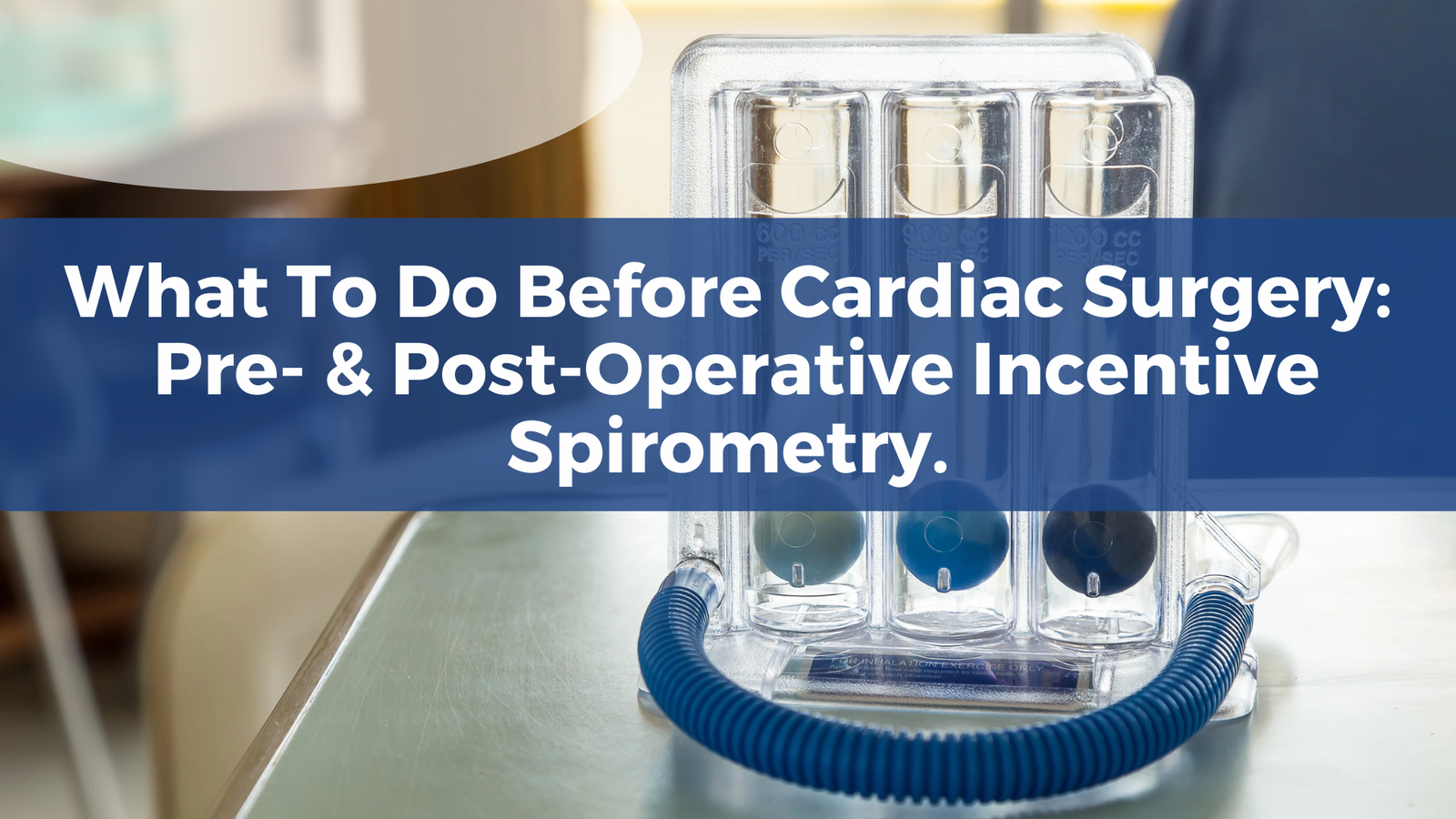
Preparing for cardiac surgery involves more than medical tests and doctor consultations. One of the most important steps patients can take before and after surgery is learning how to use an incentive spirometer. This simple breathing device helps maintain lung health, prevent complications, and improve recovery after heart surgery.
Doctors often recommend pre-operative and post-operative incentive spirometry because anesthesia, surgical pain, and reduced movement can affect normal breathing. Practicing deep breathing exercises helps keep the lungs expanded and functioning properly during recovery.
What Is Incentive Spirometry?
Incentive spirometry is a breathing exercise performed using a medical device called an incentive spirometer. The device encourages patients to take slow and deep breaths, helping the lungs expand fully and improving oxygen circulation in the body.
During surgery, anesthesia can reduce lung activity and cause shallow breathing. Using an incentive spirometer helps restore normal breathing patterns and prevents complications such as lung collapse.
Learn more from the official NHS guide: Incentive Spirometer Guide – NHS
Why You Should Learn Spirometry Before Cardiac Surgery
Doctors recommend that patients learn how to use a spirometer before surgery. Understanding the breathing technique beforehand makes it easier to perform the exercise correctly after the operation.
- Most patients can learn spirometry within 1–2 days.
- Some patients may require additional practice.
- Learning before surgery improves confidence during recovery.
Practicing beforehand allows patients to become comfortable with the device and start using it immediately after surgery.
What Happens If Spirometry Is Not Done After Surgery?
After cardiac surgery, patients often experience pain in the chest. Because of this pain, they may take shallow breaths instead of deep breaths.
Shallow breathing can lead to atelectasis, a condition where parts of the lungs collapse due to lack of air. This may cause breathing difficulties and increase the risk of infections.
More information about breathing exercises after surgery: UCLH Incentive Spirometry Information
The Vicious Cycle of Pain and Coughing After Surgery
When the lungs collapse partially, patients may start coughing to reopen the airways. However, coughing can cause pain at the surgical site.
This creates a dangerous cycle:
- Lung collapse occurs
- The patient begins coughing
- Coughing causes pain
- The patient suppresses the cough
- Lung function worsens
Regular use of an incentive spirometer helps break this cycle by keeping the lungs expanded and active.
How Often Should You Use an Incentive Spirometer?
Doctors usually recommend using the spirometer several times daily during recovery.
- 5 sessions per day
- 15–20 minutes per session
Even if patients experience mild discomfort, continuing these breathing exercises helps prevent serious lung complications.
Additional guidance can be found here: York NHS Incentive Spirometry Guide
Benefits of Incentive Spirometry After Heart Surgery
- Prevents lung collapse (atelectasis)
- Improves oxygen supply to the body
- Reduces risk of chest infections
- Helps clear mucus from the lungs
- Supports faster recovery after surgery
How to Use an Incentive Spirometer
- Sit upright in a comfortable position.
- Hold the spirometer upright.
- Breathe out normally.
- Place the mouthpiece in your mouth.
- Take a slow deep breath through the device.
- Raise the indicator or ball inside the chamber.
- Hold your breath for 3 seconds.
- Slowly breathe out and repeat.
Conclusion
Preparing for cardiac surgery requires both pre-operative and post-operative care. One of the most effective techniques to protect lung health is incentive spirometry.
By learning the technique before surgery and practicing breathing exercises regularly afterward, patients can significantly reduce the risk of lung complications and improve recovery outcomes.
Frequently Asked Questions (FAQs)
Why is incentive spirometry important after cardiac surgery?
It helps prevent lung collapse, improves oxygen levels, and reduces the risk of postoperative chest infections.
How many times a day should you use an incentive spirometer?
Most doctors recommend using it about five times per day for 15–20 minutes per session.
Can incentive spirometry reduce pneumonia risk?
Yes. Deep breathing exercises help clear mucus from the lungs and lower the risk of pneumonia after surgery.